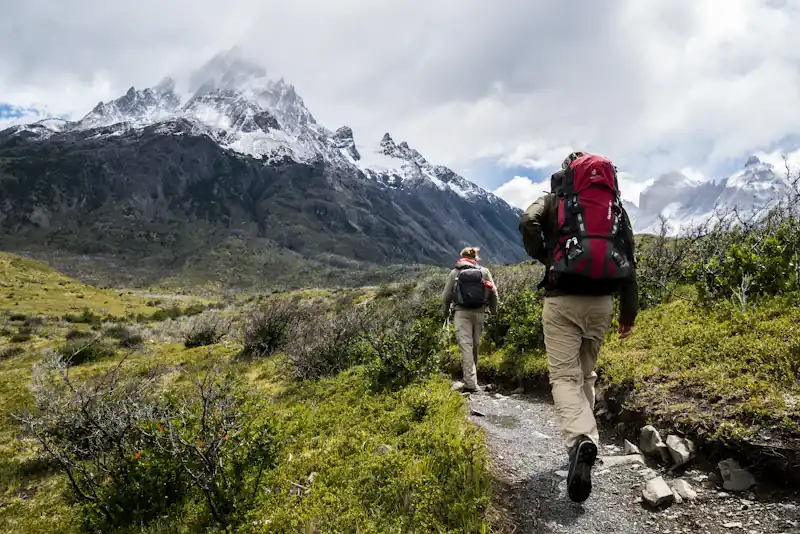
Pack size
40 to 60 litres
Target weight
As light as you can
Footwear
Ankle-support shoes
Never skip
Rain layer
A trek pack is a daily lifeline. It holds your warmth, your water and your plan B. Too little and you are cold; too much and every climb feels longer.
This is a simple list for most Himalayan treks of 2 to 7 days. Your operator may supply tents, sleeping bags and meals, so ask what is included before you shop.
The bag and what goes inside
- Backpack. A 40 to 60 litre pack with a hip belt, plus a rain cover. If porters carry your main bag, use a 20 to 30 litre daypack.
- Waterproof liners. Line your pack with a heavy plastic bag and use dry bags for clothes. Wet clothes at altitude are dangerous.
- Stuff sacks. Group items by type so you can find them in the dark.
Footwear and socks
- Trekking shoes or boots. Choose a pair with grip, ankle support and enough room for your toes. Break them in before the trek.
- Socks. Three pairs of thick wool or synthetic socks. Cotton holds moisture and gives blisters.
- Camp shoes. Light sandals or sneakers for evenings, if weight allows.
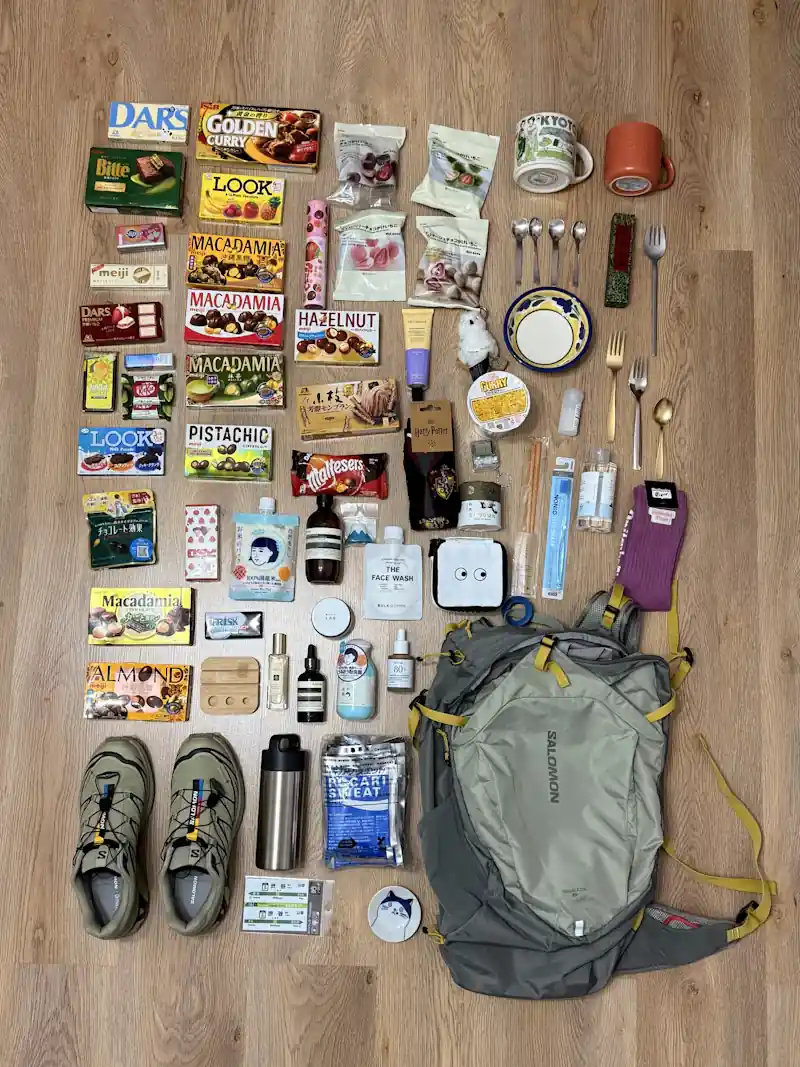
A pack and gear laid out before a trek. Representative image.
Clothing layers
- Base layer. A thermal top and bottom for sleeping and cold mornings.
- Mid layer. A fleece or light insulated jacket.
- Outer layer. A waterproof and windproof jacket, plus rain pants or a poncho.
- Trek pants and T-shirts. Quick-dry fabric. Avoid jeans, which get cold and heavy when wet.
- Warm accessories. Woollen cap, sun cap, waterproof gloves and a neck gaiter.
Our 3-layer packing rule explains how to combine these without carrying too much.
Safety, health and small items
- Headlamp. With spare batteries. Early starts are common.
- Trekking poles. They save your knees on long descents and help on stream crossings.
- Sun protection. Sunglasses, high-SPF sunscreen and lip balm.
- First aid. Blister plasters, antiseptic, pain relief, ORS and personal medicines. Ask a doctor about altitude medicine and read the AMS guide.
- Water and snacks. Two to three litres of water capacity and a few energy snacks such as nuts and chikki.
- Toiletries. A small kit with quick-dry towel, wet wipes, toilet paper and a zip bag to carry used paper out.
Common mistakes
- Overpacking. If you are not sure you need it, leave it. Weigh your bag before you go.
- New shoes on trek day. Always break in your footwear.
- Cotton everywhere. It dries slowly and chills you.
- No rain layer. Even a sunny forecast in the mountains can change by afternoon.
Leave no trace
Carry out everything you carry in, including food wrappers and used tissues. Stay on the trail, do not light fires in alpine meadows and respect villages and shrines along the way.
Verify before you travelRoad openings, permit rules, fees, timings and weather change quickly in the mountains. Use this guide for planning, not as a live bulletin, and confirm the current situation with the Skypath desk before you leave.
Pick a trek that fits your fitness
We run Himalayan treks from Manali with certified guides and clear packing lists.
Tags:
Trekking
Packing List
Gear
Himalaya
Beginners