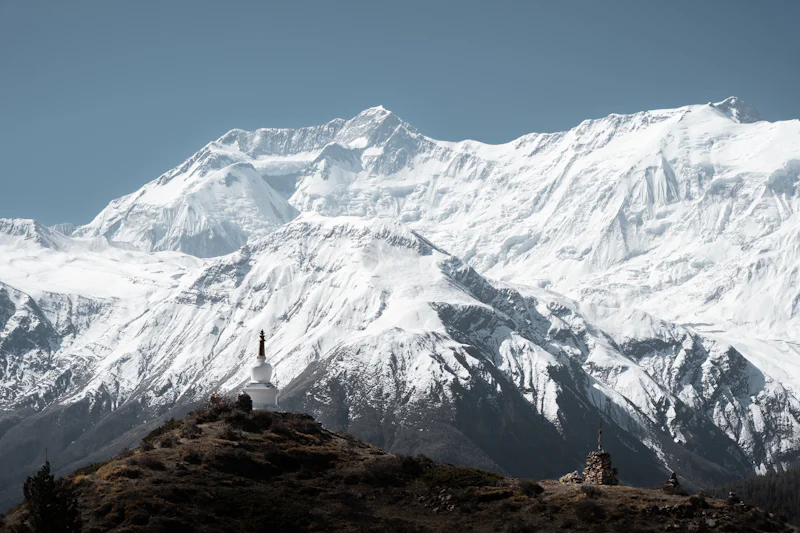
Acute mountain sickness (AMS) is the most common health problem in the Himalaya, and it can affect anyone, including fit people who have been to altitude before. Fitness does not protect you. What protects you is climbing slowly, listening to your body and being willing to stop.
This guide covers the basics. It is general education, not medical advice.
What AMS is
As you gain height, the air has less oxygen and your body needs time to adjust. If you go up faster than you adjust, you can get AMS. It usually starts above about 8,000 ft (2,500 m) and becomes more likely above 10,000 ft. The most common sign is a headache that is worse than a normal one.
Know the signs
| Condition | Typical signs | What to do |
|---|---|---|
| Mild AMS | Headache plus one or more of: nausea, loss of appetite, tiredness, dizziness, poor sleep | Stop climbing. Rest, drink fluids and wait. Do not go higher until symptoms clear |
| Moderate or worsening AMS | Severe headache, repeated vomiting, unusual fatigue, trouble walking | Descend. Do not wait for it to pass |
| HAPE (fluid in the lungs) | Breathless at rest, cough, tight chest, pink or frothy sputum | Emergency. Descend immediately and get medical help |
| HACE (swelling of the brain) | Confusion, drowsiness, loss of balance, cannot walk in a straight line | Emergency. Descend immediately and get medical help |
Swipe the table sideways to see every column →
The ascent rules that work
- Above about 3,000 m (10,000 ft), try not to raise your sleeping altitude by more than about 500 m (1,600 ft) a night.
- Take a rest day every three or four days of climbing.
- Climb high, sleep low. Going higher in the day and coming back down to sleep helps your body adapt.
- Do not ascend with symptoms. If you have a headache and feel sick, stay where you are.
Road routes often gain height faster than these numbers, for example the climb from Manali to Jispa and on to Sarchu. That is why a rest day in Leh matters, and why you should treat the first nights above 11,000 ft with extra care.
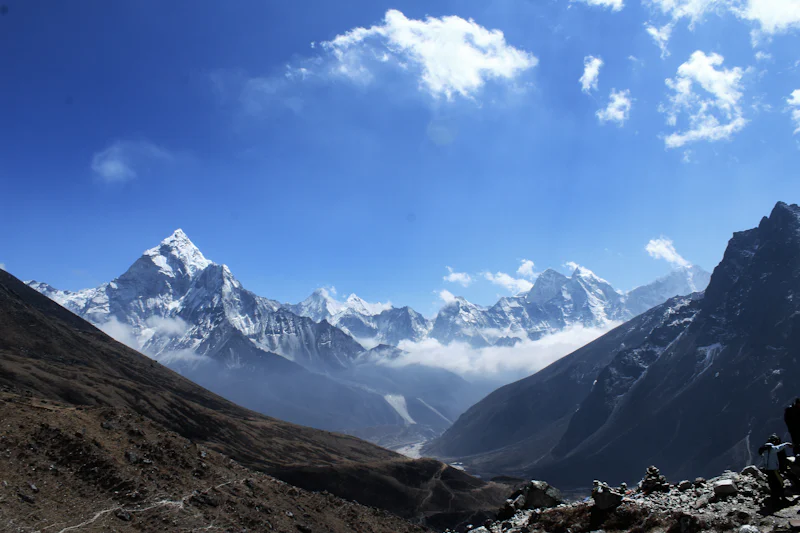
Everyday habits that help
- Drink plenty of water: roughly 3 to 4 litres a day at altitude. Pale urine is a good sign.
- Avoid alcohol, especially in the first 48 hours, and avoid sleeping pills.
- Eat regularly. Carbohydrates help, even when your appetite drops.
- Walk slowly. Breathing hard on the first day uphill is a bad sign, not a badge of honour.
Medication: talk to a doctor first
Acetazolamide (Diamox) is the drug most commonly used to help prevent AMS. A typical preventive dose is 125 mg twice a day, started the day before you ascend, but only a doctor can decide if it is right for you. It is not suitable for people with a sulfa allergy and in some other conditions. Common side effects are tingling in the fingers, more frequent urination and a metallic taste with fizzy drinks.
It does not replace gradual ascent, and it does not make a dangerous situation safe. Emergency drugs such as dexamethasone and nifedipine should only be used under medical guidance, and the real treatment for serious altitude illness is descent. Portable oxygen can relieve symptoms while you descend, but it is not a cure.
What a pulse oximeter can and cannot tell you
A pulse oximeter is useful, but it is easy to misread. Readings vary from person to person, and cold fingers or poor circulation can give false low numbers. Many healthy people sit in the 80s at 14,000 ft. What matters more than any single number is the trend and how you feel. Take a reading at the same time each day, at rest. A reading that keeps falling, or is much lower than that of people with you at the same height, together with symptoms, is a reason to stop climbing and get advice.
When to turn back
Turn back or descend if symptoms get worse, if you cannot walk normally, if you are breathless at rest, or if you are confused. Descending even 300 to 1,000 m often brings quick relief. There is no shame in turning around early. The risk of staying is far worse.
If you have a heart or lung condition, are pregnant, are travelling with children, or take regular medication, see a doctor before booking.
Tell your guide about a headache early. A small problem caught at once is easy to fix. The same problem hidden for a day can end your trip.
— Skypath Field NotePlan an acclimatised itinerary
Talk to us about rest days and gradual ascent for your trip.