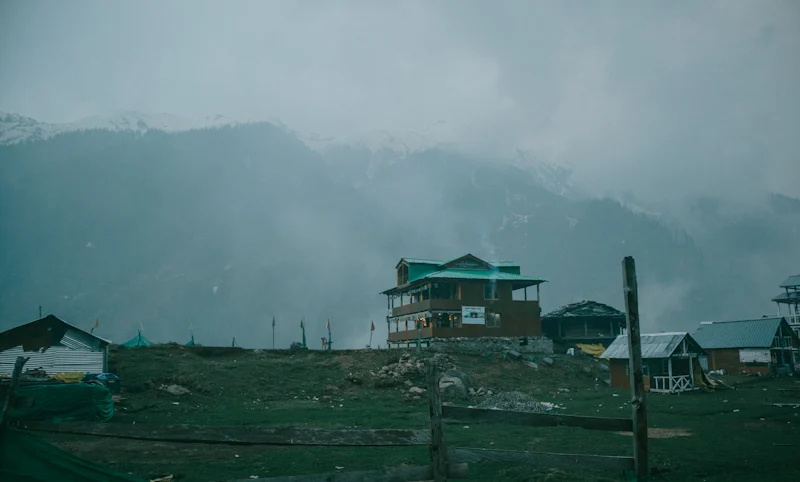
Malana sits on a ridge above the Malana river in a side valley of the Parvati Valley. It is a village with its own deity, its own council and its own language, and it has kept its customs for a very long time.
It is also a village that has been misunderstood. This guide separates what is known from what is legend, and explains how to behave if you visit.
What makes Malana different
- Its own language. Villagers speak Kanashi, a language that outsiders do not understand easily. It is described as Tibeto-Burman, and scholars have debated its origins.
- Its own council. The village is run by a council with an upper and a lower house, which villagers believe speaks for the deity Jamlu. Locals often describe it as one of the oldest democracies, which is a local claim rather than a proven fact.
- A strong faith. Jamlu Devta is the central deity. Some people identify him with the sage Jamadagni, though that link is a modern one.
The legends
- Alexander's soldiers. A popular story says villagers descend from soldiers of Alexander the Great. There is no firm evidence for this, and a genetic study from 2010 found links closer to Indo-Aryan groups.
- Akbar and the golden statue. Another tale says the Mughal emperor Akbar was cured after sending a golden statue of himself to Malana. Historians doubt it.
- Why it matters. These stories show how the village sees itself, even when they are not history.
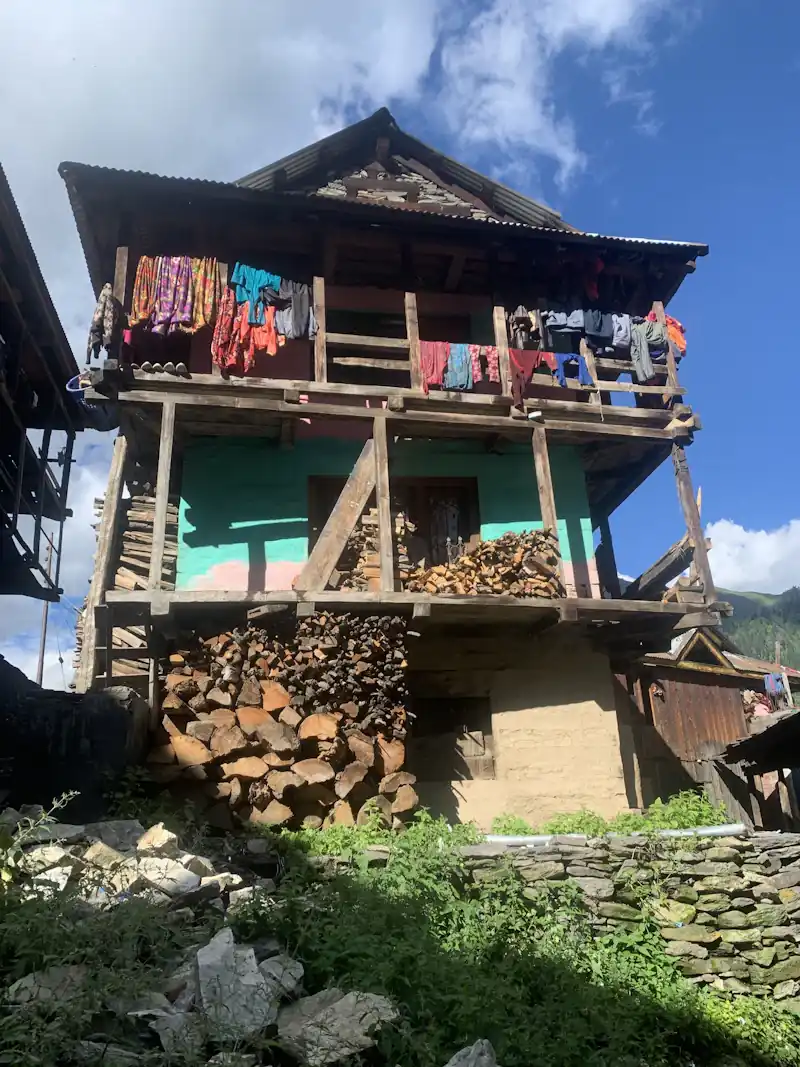
Rules for visitors
Malana is not a theme park. These customs are real, and breaking them causes offence or fines.
- Do not touch. Outsiders are asked not to touch walls, houses, shrines, people or objects. A fine can apply.
- Do not enter temples. Temples are closed to outsiders. Admire them from the path.
- Pay carefully. Money is often placed on the counter or ground instead of handed over.
- Follow signs and local advice. Photography and where you may walk or stay are decided by the village. Ask first.
- Do not ask about drugs. Cannabis grows in the wider region and Malana's name is tied to it in popular talk, which has brought the village unwanted attention. Treat the people with courtesy and respect.
Getting there
Malana is reached from the Parvati valley. A road built for a nearby hydropower project has made access easier than it once was, but conditions change, so check locally. Malana is also the end of the Chandrakhani Pass trek from Naggar. See our Chandrakhani Pass trek.
A word on change
A fire in January 2008 destroyed parts of the village and old temple structures, and tourism has brought new money and new tensions. Visitors who come quietly, spend locally and follow the rules help the village most.
Walk to Malana the slow way
The Chandrakhani Pass trek crosses from Naggar to Malana with local guides.