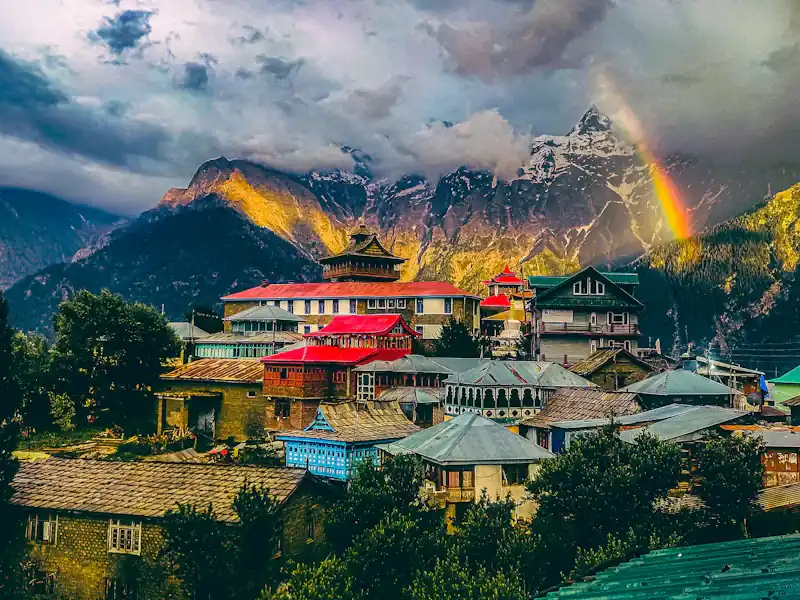
Kaurik sits on a flat above the Pare Chu river, in the far east of Spiti, close to the boundary with Tibet. A ridge rises above it, and the nearest border point, known as Lepcha, is only a short distance away.
It is a quiet place with a heavy history: an earthquake, a boundary survey and a village that had to start again.
Where it is
Kaurik, also spelled Khyuri or Kyurik, lies about 20 km from Sumdo, where the Pare Chu joins the Spiti river. It is reached by a road from Sumdo and sits at roughly 3,690 m. A border post called Lepcha stands close by.
The border story
- 1847. A British boundary commission led by Alexander Cunningham reached Kaurik but was stopped from going further. Emissaries from the governor of Gartok pointed to what they called an old boundary.
- 1950s. Reports of Chinese presence near Kaurik led to protests from India. After the 1959 Kongka La incident, boundary questions in the area came up again.
- Today. The area has been described as part of overlapping claims between India and China in the middle sector of the boundary. There have been no reported clashes at this spot.
The 1975 earthquake
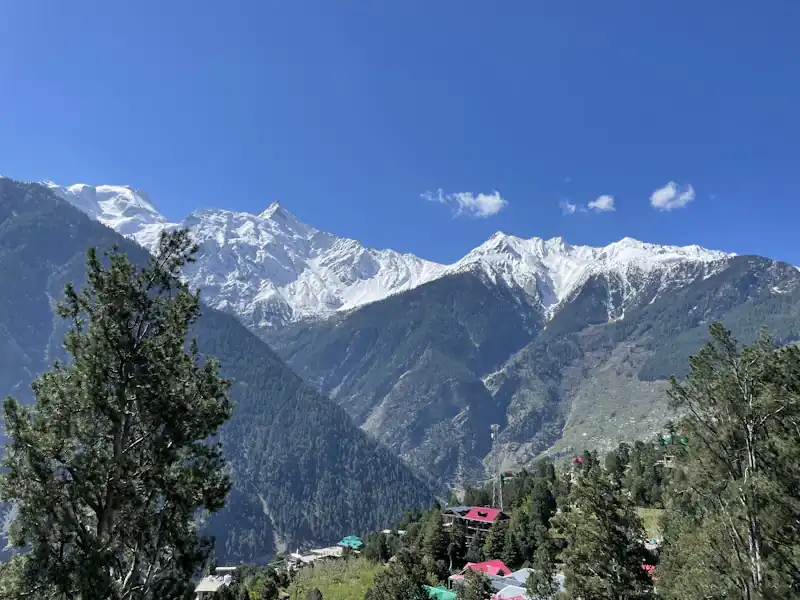
In 1975, a powerful earthquake in the Kinnaur-Spiti region triggered landslides that destroyed old Kaurik. Many survivors moved and rebuilt, and a large number now live in the village of Hurling. The ruins of the old village lie in a restricted area under the control of the Indo-Tibetan Border Police.
Life here now
Kaurik is a small farming village with a population of a few hundred. Life follows the barley season and the long winter. Nearby, Gue village holds the mummy of a Buddhist monk, and the Spiti valley continues west toward Tabo and Kaza.
If you plan to go
This is a sensitive border region. Parts of it are restricted, and rules for visitors, permits and photography can change. Do not go without checking the current requirements with the local administration and a trusted operator, and follow every instruction at checkpoints.
Explore Spiti the safe way
We run Spiti road trips that stay within open, permitted routes.